In Florida, if a dog bites you, the law is generally on your side, holding the owner responsible for your injuries even if the dog had never shown any aggression before. This is because Florida operates under a "strict liability" statute, which removes the need for a victim to prove that the owner was careless or knew their dog was dangerous.
However, there are important exceptions to this rule that every dog bite victim should understand. A dog bite lawyer can help you navigate these exceptions and protect your claim.
Key Takeaways About Florida's Strict Liability Law for Dog Owners
- Florida is a strict liability state for dog bites, meaning an owner is legally responsible if someone is bitten, regardless of the dog's past behavior.
- The common "one free bite" rule, which protects owners in some other states, does not apply in Florida; an owner is liable for the very first bite.
- A key exception to strict liability is the "Bad Dog sign" defense, where an owner may not be liable if they prominently displayed an easily readable sign with those words.
- A victim's compensation can be reduced if they are found to have provoked or contributed to the dog attack.
What is Strict Liability? The Core of Florida's Dog Bite Statute
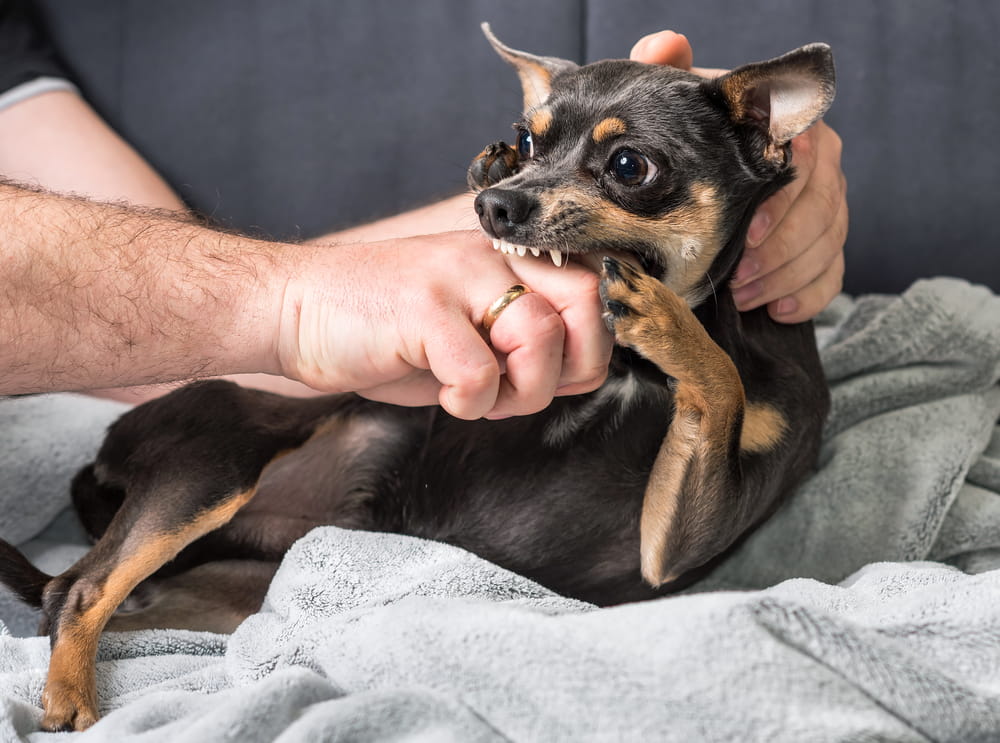
At the heart of Florida's approach to dog bite claims is a legal principle called strict liability. Unlike a standard negligence case, where you would have to prove the dog owner failed to use reasonable care, strict liability holds an owner responsible for the harm their dog causes, period.
This concept is codified in Florida Statute 767.04, which states that the owner of a dog that bites someone in a public place, or lawfully in a private place (including the owner's property), is liable for the damages suffered by the person bitten. To make a claim under this statute, you generally only need to prove:
- The defendant's dog bit you.
- You were in a public place or lawfully on private property when it happened.
This removes the significant hurdle of having to investigate the dog's history or prove what the owner knew about their animal's temperament.
Debunking the "One Free Bite" Rule Myth
Many people have heard of the "one free bite" rule and mistakenly believe it applies everywhere. This rule, used in some other states, essentially gives a dog owner a pass for the first time their dog causes an injury.
To win a personal injury claim in those states, a victim must prove the owner knew, or should have known, that their dog had dangerous tendencies. This is a difficult, and often impossible, standard to meet.
In Florida, our state's strict liability law specifically rejects this concept. A dog's friendly and gentle history is not a valid defense against liability. When a dog owner says, "I'm so sorry, he's never done that before!" it may be true, but under Florida law, it does not relieve them of their legal responsibility for the injuries their dog caused.
The Powerful Exception: The "Bad Dog Sign" Defense
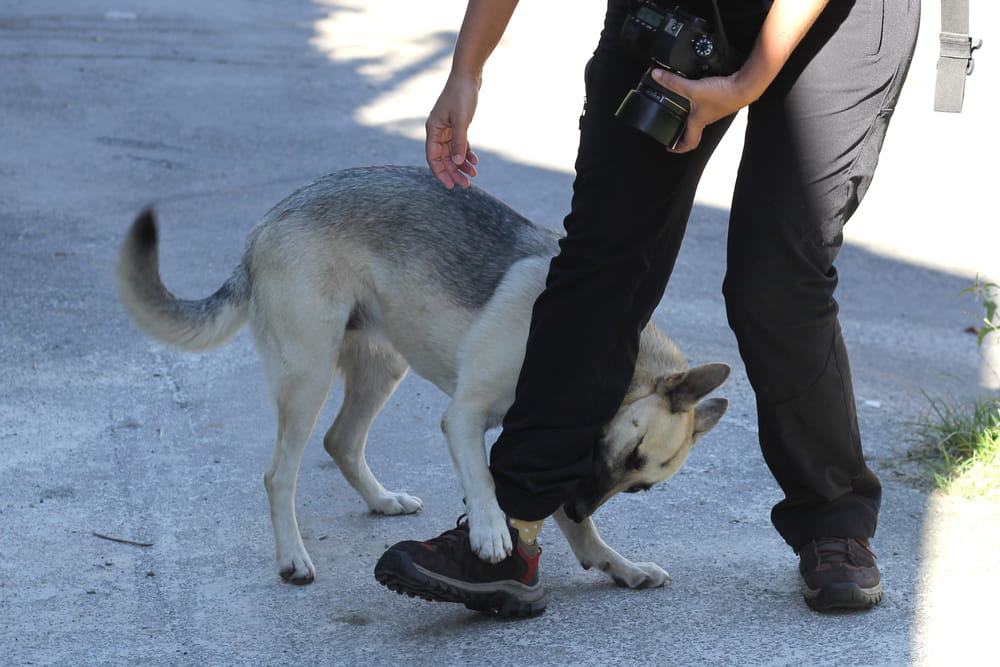
While strict liability is strong, Florida's statute provides one very specific and powerful way for a dog owner to avoid it: the "Bad Dog sign" defense. The law states that an owner is generally not liable for a bite if they posted an easily readable sign in a prominent place on their property that reads "Bad Dog."
What Qualifies as a Proper "Bad Dog" Sign?
For this defense to be valid, the sign must meet a few key criteria. It must be "easily readable" and placed in a "prominent" location.
This means a small, hidden, or faded sign that a visitor is unlikely to see will probably not be enough to protect the owner. The sign should be clear and visible enough to give an actual warning to anyone lawfully approaching the property, such as near the front entrance or on a gate.
When the Sign Defense Doesn't Work
It is important to note that this defense has its own exceptions. A "Bad Dog" sign will not protect an owner from liability in two specific situations:
- The victim is a child under the age of six. The law recognizes that very young children may not be able to read or fully comprehend the warning on a sign, and it protects them accordingly.
- The owner's negligence caused the bite. If an owner's carelessness was the direct cause of the attack, the sign may not shield them. For example, if an owner knows their dog is aggressive and leaves a gate unlatched, allowing the dog to run out and bite a jogger on the sidewalk, the sign on their house can be challenged as a valid defense.
Because the law can be complicated, consulting with a Florida dog bite attorney is a critical first step in evaluating your claim.
Frequently Asked Questions About Strict Liability in Dog Bite Claims
What if I was partially at fault for provoking the dog?
Florida's law accounts for situations where a victim may have contributed to the incident. If you were teasing, tormenting, or otherwise provoking the dog, the court will apply the principle of comparative negligence. This means any compensation you receive will be reduced by the percentage of fault assigned to you for your role in the attack.
Does strict liability apply if a dog knocked me down but didn't bite me?
Yes. While, the language in Florida Statute 767.04 specifically applies to bites, Florida Statute 767.01 imposes strict liability on dog owners for damages caused to people or domestic animals other than dog bites. If a large dog injures you by jumping on you and causing a fall, strict liability applies pursuant to F.S. 767.01.
Am I considered lawfully on the property if I am a mail carrier or delivery person?
Yes. Individuals who are on private property to perform a job, such as postal workers, package delivery drivers, and utility readers, are considered to be there lawfully. The strict liability statute protects them just as it would a social guest invited to the home. The law is not intended to protect trespassers.
The Knowledgeable Attorneys at Cindy Goldstein Law Can Help You Navigate These Complex Laws
While Florida's strict liability law seems straightforward, defenses involving "Bad Dog" signs and comparative negligence can quickly complicate your case. If you have been injured by a dog in the Coral Springs area, you do not have to face the legal process alone.
The compassionate team at Cindy Goldstein Law is here to help you understand your rights and fight for the full full damages you deserve. Contact us today at (954) 346-5420 for a free, no-obligation consultation.