Collisions linked to road rage have become more frequent in recent years, and the pattern shows how dangerous emotions behind the wheel can be. If a road rage incident contributes to an accident, the party who engaged in that behavior may be held financially responsible for the resulting injuries and losses but analysis of the defendant’s behavior can be complex depending on whether the defendant’s conduct was intentional or negligent. Regardless, any civil claim requires a clear connection between the aggressive conduct and the harm suffered, which is why you need legal guidance from the start.
The legal team at Cindy Goldstein Law assists injured drivers and passengers in understanding what behaviors constitute road rage and how these incidents can support a strong personal injury claim. The guidance of a personal injury lawyer helps determine if you have a case and the steps to follow after a violent encounter on the road.
Contact Cindy Goldstein Law (954) 346-5420 to learn your options and take the necessary steps toward justice.
Key Takeaways: What Is Considered Road Rage
- Road rage occurs when a driver responds to frustration or perceived slights with aggressive, hostile, or intimidating behavior, rather than safe driving.
- Collisions linked to road rage can result in both criminal and civil liability, making the aggressor responsible for injuries and financial losses.
- Most auto insurance policies cover acts of negligence. Under Florida law, the key difference between negligence and an intentional tort/act is intent: negligence involves carelessness or failing to use reasonable care (like a car accident when the adverse driver’s actions fall below the standard of care), while an intentional tort requires a deliberate act where the person intended to cause harm or knew harm was substantially certain to occur (like assault or battery).
- If the defendant’s actions are deemed intentional, you may lose the benefit of valuable bodily injury insurance coverage on the defendant’s policy.
- Injuries from road rage incidents tend to be more severe than typical car accidents, ranging from soft-tissue injuries and fractures to traumatic brain injuries.
- The psychological factors behind road rage often involve built-up frustration, stress, or a sense of being disrespected, which can impair judgment and increase the likelihood of a collision.
- Legal consequences for perpetrators of road rage can include criminal charges, civil liability, license suspension, higher insurance premiums, and, in severe cases, incarceration or mandatory anger management.
- Work with a personal injury attorney to navigate the legal issues and manage your claim and advocate for full compensation.
Understanding Road Rage in Coral Springs, FL
Road rage develops when a driver responds to frustration with aggressive or hostile behavior. Traffic congestion, perceived slights by other motorists, and heightened personal stress can all combine to create an emotional state where a driver acts impulsively. In these moments, judgment becomes impaired, reactions become exaggerated, and the roadway turns into an outlet for anger instead of a place where caution and responsibility guide decisions.
Psychologists note that road rage rarely stems from a single triggering event. Instead, it builds from underlying tension, impatience, or a sense of being disrespected. Once a driver internalizes these feelings, even a routine lane change or slow-moving vehicle may be interpreted as a personal affront. This distorted perception fuels confrontational behavior meant to intimidate others. When these behaviors escalate, the risk of a collision grows substantially, and even bystanders can become unintended victims.
In Coral Springs, crowded intersections, rush-hour delays, and heavy commuter patterns can further heighten emotional responses behind the wheel. Drivers confronting these pressures may react in ways that endanger others, turning an ordinary commute into a hazardous situation.
Examples of Road Rage
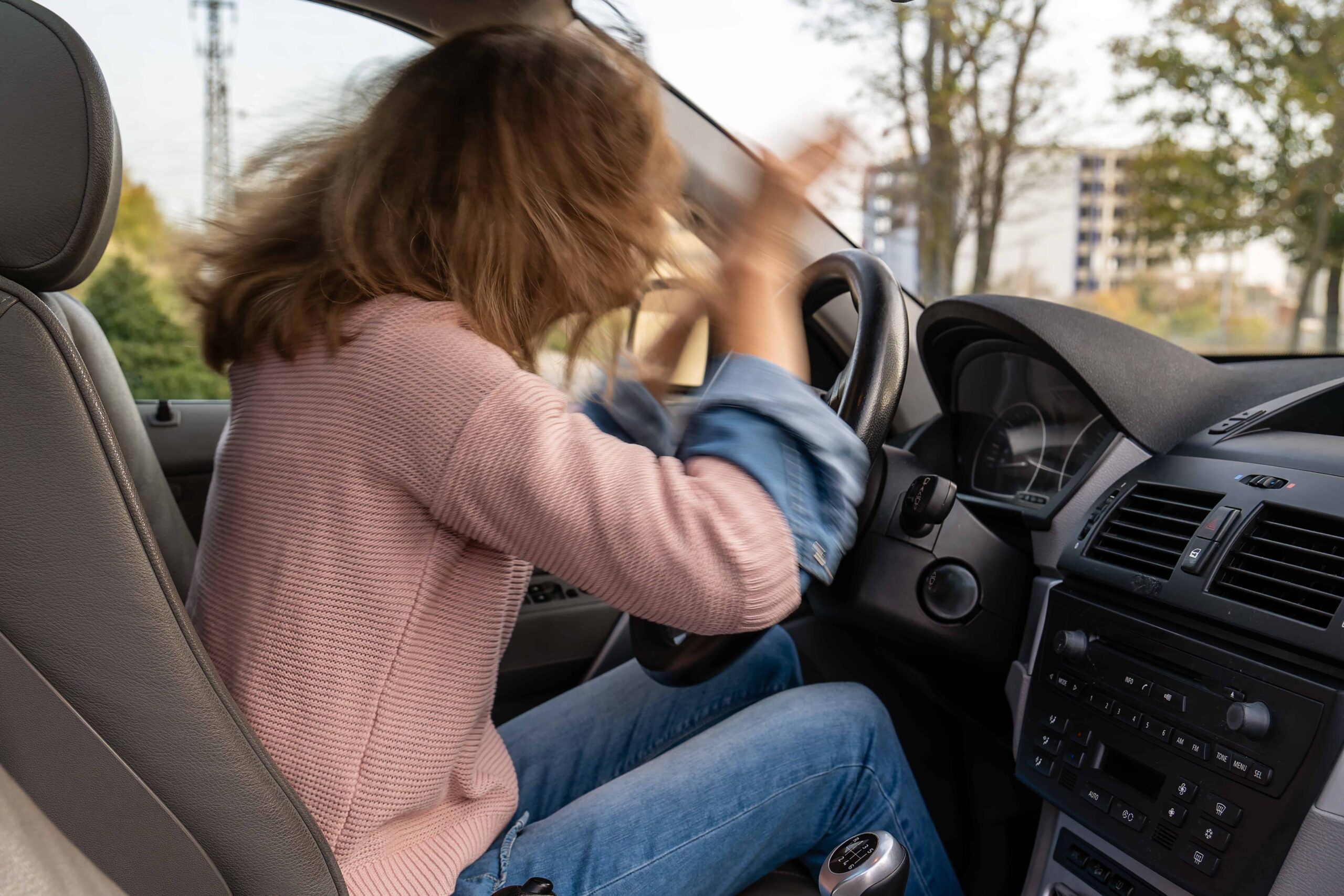
Road rage appears in many forms, and each one reflects a deliberate shift from safe driving to hostile conduct aimed at another motorist. These actions go beyond ordinary carelessness because they are grounded in anger, retaliation, or intimidation. When these behaviors escalate, they create a chain of events that places drivers, passengers, and bystanders in immediate danger.
Vehicular Assault
Vehicular assault occurs when a driver intentionally uses their vehicle to threaten, strike, or corner another road user. Even when physical contact is avoided, the act of steering aggressively toward someone shows a deliberate attempt to cause fear or force a reaction. Because a vehicle carries substantial force and weight, using it in this manner significantly enhances the likelihood of catastrophic injuries.
Threats and Harassment
A driver may shout, make hostile gestures, or tail another vehicle in a way that signals confrontation. These actions can cause the targeted motorist to panic or make abrupt maneuvers to escape the situation. Threatening behavior also provides strong evidence of intentional misconduct, which is relevant to whether the crash is considered intentional or negligence.
Physical Altercations
Some road rage incidents escalate beyond verbal aggression and lead to face-to-face confrontation on the roadside. When a driver exits their car to initiate a fight, the situation becomes volatile and unpredictable. These altercations can cause bodily injury on their own or create hazardous conditions that result in a subsequent crash.
Using Weapons
Displaying, brandishing, or firing a weapon during a traffic dispute turns an already dangerous encounter into a violent emergency. The presence of a firearm, knife, or other object can cause panic that leads to sudden braking, swerving, or loss of control. When car accident injuries occur in these circumstances, the aggressor may face criminal liability due to the intentional nature of the threat.
Throwing Objects
Some drivers attempt to intimidate or harm others by throwing objects such as bottles, tools, or debris at a moving vehicle. These items can shatter glass, distract the driver, or startle them into losing control of the car. Even a small object becomes hazardous when it strikes a vehicle at roadway speed, increasing the chance of a serious collision.
Intentional Obstruction
Blocking another vehicle’s path, brake-checking, or trapping a driver in traffic are forms of deliberate interference. These actions disrupt the natural flow of traffic and leave the targeted motorist with limited room to maneuver safely. When a collision results, the obstructing driver’s intent becomes a crucial factor in establishing liability.
Aggressive Pursuit
Chasing another vehicle, accelerating to intimidate, or refusing to disengage after a minor roadway dispute creates a highly unpredictable situation. Aggressive pursuit removes the buffer of space needed to avoid a collision and forces both drivers into risky maneuvers. This behavior is frequently linked to crashes involving multiple vehicles because the pursued driver may attempt to flee or take sudden evasive action.
Injuries Commonly Sustained in Road Rage Accidents

Road rage incidents tend to produce injuries that are more severe than those seen in routine traffic collisions because the underlying conduct is intentional and often involves sudden, high-impact maneuvers. When a driver acts aggressively, the targeted motorist may have little time to respond, leaving them vulnerable to violent forces. These circumstances create conditions where victims face not only physical harm but also long-term health implications that may require extensive medical care.
Many victims suffer injuries such as:
- Sprains
- Strains
- Whiplash
- Broken ribs, arms, legs, or pelvic injuries
- Traumatic brain injuries
- Cognitive or emotional changes
- Spinal cord and back injuries
- Lacerations
- Bruising
- Penetrating injuries
Because road rage involves purposeful conduct, your case needs careful analysis. Your car accident lawyer will examine the defendant’s intent, work to prove the nature of these injuries, and demonstrate how the behavior led to your injuries.
Consequences of Road Rage in Coral Springs
Road rage carries both immediate and long-term consequences for those who engage in it. Legally, drivers who commit aggressive acts on the road may face criminal charges ranging from reckless driving to assault with a deadly weapon, depending on the severity of their actions. Beyond criminal liability, they may also be held civilly responsible for any injuries, property damage, or financial losses resulting from their conduct, leaving them accountable for significant monetary damage, subject to the defendant’s auto insurance policy exclusion for intentional conduct.
Civil claims arising from road rage can involve liability for medical expenses, lost income, property repair, and pain and suffering. Courts and insurance companies often treat these cases seriously because the aggressive behavior is intentional. Subject to any potential auto insurance policy exclusions for intentional conduct, it can increase the potential recovery for victims, especially when objective evidence demonstrates the at-fault driver’s hostile actions.
The social and personal consequences for the aggressor can also be substantial. A conviction or civil judgment may result in license suspension, higher insurance premiums, and a permanent legal record that can affect employment or professional opportunities. In Coral Springs, repeated road rage incidents can also lead to criminal probation, mandatory anger management programs, or even incarceration in severe cases.
Finally, road rage bears community implications. These incidents contribute to a general sense of danger on the roads, increase traffic congestion, and heighten the risk for pedestrians, cyclists, and other motorists. Your lawyer can assess your case to hold aggressors accountable and seek full compensation for your injuries and losses.
What to Do If Road Rage Caused You Injuries
If you have suffered an injury in a road rage incident, taking prompt and deliberate steps is essential to protect your rights and strengthen the potential claim. The priority is to ensure your safety and seek medical attention for all injuries. Document your condition immediately to establish a clear link between the incident and your harm, which is key for both civil and insurance claims.
Collecting evidence at the scene is also highly advisable. It includes taking photographs of vehicle damage, roadway conditions, and any visible injuries. Obtain contact details from witnesses, and request a copy of the police report if officers respond to the incident. In cases involving aggressive pursuit, thrown objects, or physical assault, every detail can help demonstrate the at-fault driver’s intentional or reckless behavior.
It is also vital to preserve digital evidence. Dashcam footage, cellphone recordings, or GPS data can provide an objective record of the incident, showing the sequence of events and confirming the aggressor’s conduct. Retain any relevant messages or social media posts to further support your case by highlighting threats, harassment, or intent.
Importantly, be sure to engage a personal injury attorney to initiate proper legal action. A lawyer at Cindy Goldstein Law can evaluate your case, identify liable parties, and manage the claims process. They will help gather medical records, consult accident reconstruction experts if necessary, and advocate for your rightful compensation.
Frequently Asked Questions: Road Rage
Can I Bring a Civil Lawsuit if No Criminal Charges Are Filed?
Civil liability and criminal prosecution are separate legal matters, meaning you can pursue compensation even if the driver is not criminally charged. A civil lawsuit focuses on whether the at-fault driver’s conduct caused your injuries, property damage, or financial losses. It allows you to secure medical expenses, lost income, and pain and suffering, even when law enforcement decides not to file charges.
The complexity is whether the defendant intentionally crashed into your vehicle. Often, the defendant intends to scare or intimidate but not intend to actually strike your vehicle. If the defendant intentionally strikes your vehicle, his/her auto insurance carrier may argue that this conduct falls under a potential insurance exclusion for intentional conduct and they will not cover the bodily injury damages! Hence, careful analysis is critical and legal representation is highly recommended.
Can Minors Be Held Responsible for Road Rage?
Drivers under 18 can face civil liability if their reckless or aggressive actions cause an accident or injuries. While parental liability may be involved in some claims, courts still evaluate the minor’s intent and the consequences of their actions. Minors may also face administrative penalties, such as license suspension, which can affect both civil and legal outcomes.
How Long Do I Have to File a Road Rage Injury Claim?
In Florida, HB 837 now holds that the statute of limitations for claims against the adverse driver is no longer 4 years, but instead, 2 years from the date of loss to file a lawsuit. Uninsured motorist claims have a statute of limitations of 5 years since it is based on a breach of contract/insurance policy. Filing within this timeframe is critical to preserve your right to seek compensation. Delays can result in dismissal of the claim, even if the evidence strongly supports your case, making timely action essential for protecting your interests.
Can I Recover for Emotional Distress Caused by Road Rage?
Emotional distress, such as anxiety, fear of driving, or post-traumatic stress, can be included in a personal injury claim depending on the facts of loss. Recovery is often available when the emotional harm is linked to physical injuries or when the driver’s conduct was intentional or recklessly dangerous. Documentation from mental health professionals, witness accounts, and consistent reporting of symptoms strengthen these claims in civil proceedings.
Should I Speak to the Responsible Person’s Insurer About the Crash in Which I Suffered Injury?
It is not recommended to speak directly with the at-fault party’s insurance company without consulting an attorney first. Insurance adjusters may request information that can limit or deny compensation, even when the statements you provide are accurate. Early or unguarded communication can unintentionally weaken your claim, particularly if your injuries are still being evaluated or have not fully manifested. Let legal counsel manage all discussions to prevent mistakes that can compromise your recovery.
Call Your Coral Springs Car Accident Lawyer Today
If a road rage incident in Coral Springs caused you or a loved one harm, you have legal recourse. A personal injury attorney will determine the validity of your case and seek the proper evidence necessary to build a winning case. They will also guide you through interactions with insurance companies and advocate for compensation that addresses your needs. Do not wait, reach out to the legal team at Cindy Goldstein Law to discuss your options for holding the responsible party accountable.