Rear-end collisions happen in a matter of seconds, leaving injured drivers and passengers unsure of what to do next. Even a seemingly light impact can trigger serious injuries that disrupt daily routines and create financial strain. If you’ve already been involved in this type of crash, taking the steps early can strengthen your position when dealing with the insurance company and help you avoid mistakes that can limit your compensation.
A Coral Springs, FL car accident lawyer can explain the steps to take after the crash to safeguard your well-being and help preserve the evidence needed for a strong claim. If you have questions about what to do, Cindy Goldstein Law is available at (954) 346-5420 to discuss your situation and help protect your rights.
Key Takeaways: Rear End Accidents
- Pursuant to Florida Statute 316.0895, drivers have a duty to maintain a safe distance between vehicles and are not permitted to follow too closely. Hence, there is a rebuttable presumption that the vehicle that hits another from behind is at fault for the collision. The presumption is rebuttable, meaning the burden then shifts to the rear-ending driver to prove that the vehicle in front was negligent. The presumption can be disputed with evidence of a sudden and careless lane change, baseless sudden stop, malfunctioning brake lights, for example.
- Maintaining a safe following distance helps prevent rear-end collisions and reduces the severity of injuries.
- Rear-end crashes can cause injuries that worsen over time, so taking the right steps helps protect both your health and your claim.
- Rear-end collisions are frequently caused by several factors that also play a major role in determining fault.
- Most rear-end accident cases can settle without going to court since one element of negligence–liability– is presumed.
- Insurance companies often make low early settlement offers, so you should review any proposal carefully before agreeing, especially if your medical treatment is still ongoing.
- Consult a car accident lawyer early to avoid mistakes and ensure your claim reflects the effects of the injury.
How Close Is Too Close?
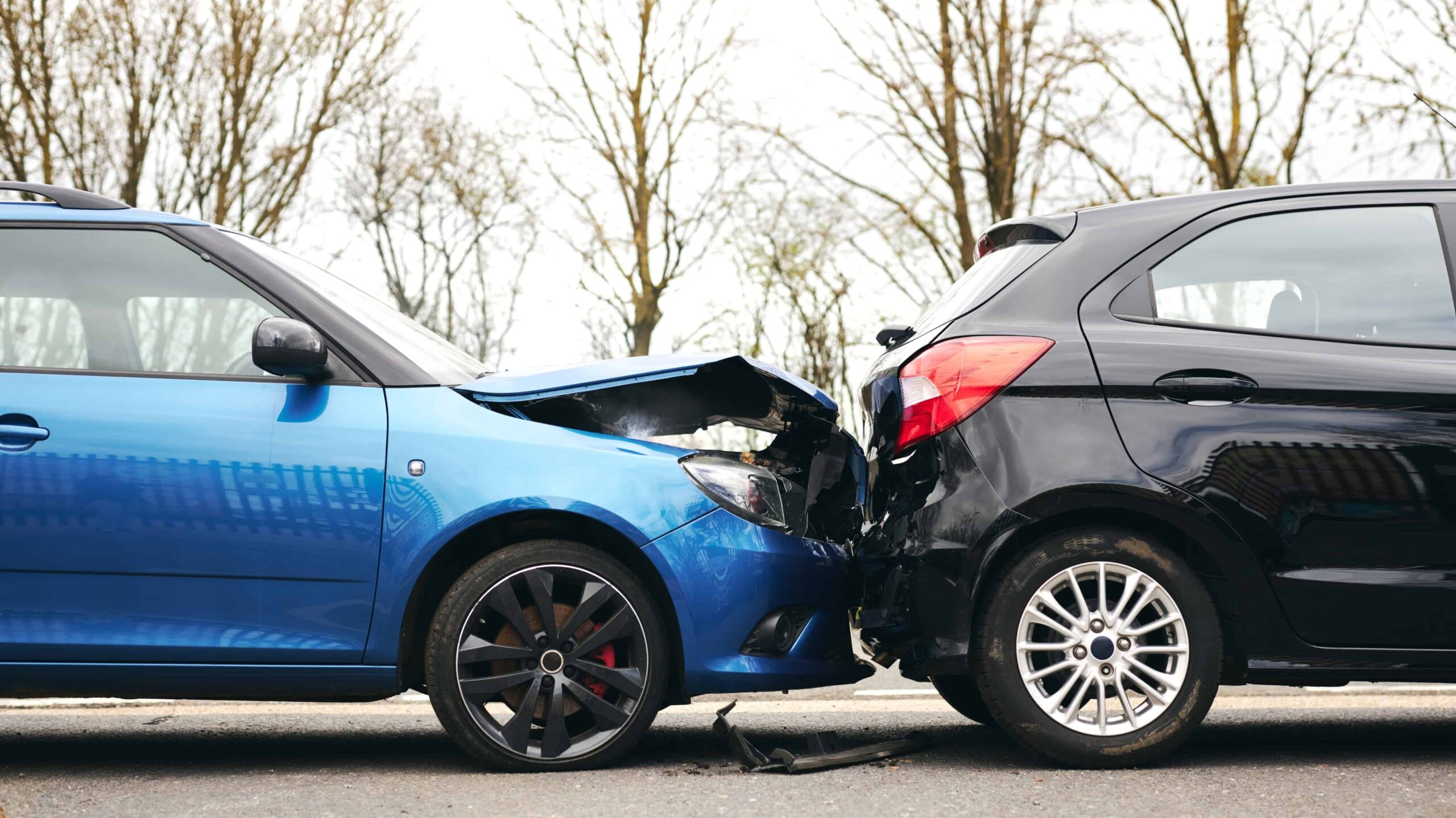
Determining a safe distance between vehicles is one of the most critical factors in preventing rear-end collisions. When a driver leaves only a few feet between their bumper and the car ahead, they eliminate the time needed to react to sudden braking, lane changes, or unexpected hazards. It creates a situation where even a minor slowdown can have an unavoidable impact. The law expects motorists to maintain reasonable spacing because it directly affects how safely they can respond to changing traffic conditions.
The common guideline is the “three-second rule,” which means allowing enough space so that it takes at least three full seconds to reach the same point as the vehicle in front. In heavier traffic, poor weather, or higher speeds, extending that buffer becomes even more important. This simple measure provides drivers with a margin to brake smoothly, avoid abrupt maneuvers, and maintain control when conditions change. When a driver refuses to leave adequate space, that behavior often leads investigators and insurers to conclude that they created the conditions for a rear-end crash.
A driver who tailgates also increases the severity of any resulting collision. With little to no time to slow down, the impact forces tend to be stronger, causing injuries that may require extended treatment. Neck and back injuries are especially common because the body absorbs the full momentum of the striking vehicle. In claims arising from these crashes, inadequate following distance frequently becomes a key indicator of fault, as it demonstrates the failure to exercise reasonable care on the roadway.
Next Steps After a Rear-End Accident
After a rear-end crash, you may experience initial shock and the need to secure immediate emergency care. It is important to begin documenting your injuries immediately and preparing for the insurance process. Your lawyer can guide you in the hours, days, and weeks following a rear-end crash. Here are the key steps to take after a rear-end collision:
Prioritize Medical Evaluation and Follow-Up Care
After leaving the scene, the first crucial step is to undergo a comprehensive medical evaluation. Rear-end collisions cause delayed symptoms more than most types of crashes, especially with whiplash, concussions, and soft-tissue injuries. These conditions often reveal themselves gradually, with soreness, headaches, or limited mobility increasing over the next several days.
Seeking medical care also creates a clear record connecting your injuries to the crash. Insurance companies scrutinize gaps in treatment, and early documentation helps prevent disputes about whether the collision caused your condition. Continuing your follow-up appointments, physical therapy, or specialist referrals strengthens the timeline of care that supports your claim.
Report the Crash to Your Insurance Company
Once you are stable enough to do so, you must notify your insurer about the collision. Most policies require prompt reporting, and delays can create hurdles when you eventually file for repairs, medical coverage, or other benefits. Should you retain Cindy Goldstein Law to represent you, the firm will report the claim for you to prevent the insurance companies from eliciting one-sided information that may be misinterpreted resulting in damage to your claim. This report does not require detailed statements, only the basic facts of when and where the crash occurred.
If you choose to report the claim unrepresented, it’s imperative to be cautious when speaking to any insurance company. Stick to factual information and avoid speculation, especially regarding fault or the scope of your harm. Rear-end collisions may seem straightforward, but insurers often seek ways to reduce payouts by downplaying symptoms or suggesting that something other than the crash caused them.
Keep a Record of Your Symptoms and Recovery
In the days following a rear-end accident, symptoms can shift dramatically. Pain may intensify, new issues may appear, and even simple tasks may become more challenging. A written record can help capture these developments with accuracy.
This documentation also becomes valuable when proving the extent of your pain and limitations. Medical records show the clinical side of your treatment, but your own contemporanous notes illustrate how the injuries affected your sleep, mobility, work performance, and daily routine. Together, these pieces form a more complete picture of the harm caused by the crash.
Gather Evidence That Becomes Useful Later
Additional documentation collected after the crash can also support your claim. Repair estimates, mechanic reports, medical bills, imaging results, and prescription instructions all demonstrate the impact of the collision. Saving these items in one place makes the claims process far more manageable.
As you begin receiving calls from insurers, having organized documentation makes it harder for them to dispute the seriousness of your injuries or the cost of your care. It also strengthens your case if the situation eventually requires legal representation.
Be Careful With Statements to Insurance Adjusters
Insurance companies train their adjusters to extract statements that can limit what they owe. After a rear-end collision, they may suggest recorded interviews, ask about prior road traffic injuries, or request broad medical authorizations. These requests can easily be used to chip away at your claim.
Before agreeing to anything in writing or on the phone, consider how your comments might be interpreted. Adjusters may mischaracterize your pain level, exaggerate your recovery progress, or use casual remarks to argue that your injuries are unrelated. To protect the value of your claim, let your attorney manage the communication on your behalf.
Consult a Car Accident Attorney Early in the Process
Once the police officer has allowed you to leave the scene of the crash, this is the time to call our office for legal representation. A car crash attorney can guide you through the claims process from initial claims reporting through a possible settlement. When it comes time for settlement, a car accident attorney can evaluate whether the offer reflects your current and future losses, including continued treatment, lost income, and long-term effects the crash may have on your quality of life.
Speaking with an attorney early also allows you to avoid errors that can limit your compensation. A lawyer will handle communication with insurers, gather additional evidence if needed, and ensure your claim reflects the full scope of your injuries.
What Causes Rear-End Accidents?

Rear-end collisions arise from a range of driver behaviors and roadway conditions. In most cases, the underlying causes of these collisions can reveal patterns of inattention, poor judgment, or conduct that increases the likelihood of injury. These factors also explain why liability may appear clear in such incidents and why insurers still try to raise arguments that shift the blame. Here are the major causes of rear-end crashes:
Following Too Closely
Many rear-end accidents occur because a driver leaves too little space between vehicles. When traffic slows or stops unexpectedly, a car without adequate distance cannot reduce speed in time to avoid impact. This behavior places unnecessary risk on everyone ahead, since even slight interruptions in traffic flow can trigger a collision.
A driver who follows another vehicle too tightly also diminishes their ability to react to changing conditions. Road hazards, crosswalks, or sudden braking become far more challenging to handle when the trailing car is only a few feet behind, increasing the chances of a crash.
Distracted Driving
Texting, adjusting navigation systems, handling food or drink, or turning to speak with passengers can all divert attention from the roadway. Even a brief loss of focus can cause a driver to miss slowing traffic or a stopped vehicle. Rear-end collisions frequently involve this type of momentary distraction.
When a distracted motorist fails to respond in time, the consequences are magnified because the driver has lost the opportunity to brake or swerve. The lack of reaction time typically leads to a more forceful impact, which contributes to the injuries commonly associated with these crashes.
Speeding or Driving Too Fast for Conditions
While some drivers exceed posted limits, others drive too quickly for the current road or weather conditions. Wet pavement, reduced visibility, or heavy congestion limit the distance needed to slow down safely. A driver who maintains an unreasonable pace despite these circumstances increases the likelihood of striking the vehicle ahead.
The higher the speed during a collision, the more severe the resulting injuries and vehicle damage are likely to be. Speed reduces the time available to recognize hazards and makes it difficult to maneuver safely when traffic slows suddenly.
Fatigue or Drowsiness
Overly tired drivers may drift out of focus or fail to recognize slowing traffic. Fatigue can impair judgment, delay reaction times, and create lapses in vehicle control. These impairments resemble the effects of alcohol in many ways, though people rarely realize how compromised they are until after a crash.
Rear-end collisions involving fatigue frequently happen during commutes, long trips, or late-night hours. In these cases, the tired driver may never brake at all, increasing the force of the collision and causing significant injuries to the person in the vehicle ahead.
Impaired Driving
Alcohol or drug impairment reduces awareness, slows physical responses, and affects decision-making. An impaired driver may misjudge distance or speed, or fail to notice stopped vehicles until it is too late. These miscalculations can lead to a rear-end crash with severe consequences.
Because impaired driving affects both cognitive and physical ability, these collisions tend to involve high-force impacts. It increases the risk of severe neck, spine, and head injuries for the occupants of the struck vehicle.
Mechanical Failures
In some cases, a vehicle defect contributes to a rear-end collision. Malfunctioning brakes, worn tires, or steering issues can prevent a driver from maintaining control of their vehicle. Even with attentive driving, mechanical failures can eliminate the ability to stop in time.
When mechanical issues play a role, determining the responsible party may require further investigation. Improper maintenance, defective parts, or negligent repair work can all contribute to the chain of events that caused the crash.
Frequently Asked Questions: Knowing What To Do if a Car Hits You From Behind
Do I have to testify in court for a rear-end car accident case?
Most personal injury cases settle without the necessity of a lawsuit. Rear-end collisions are more likely to settle without litigation because of the rebuttable presumption of negligence; once liability is determined, only causation and damages are at issue. Many disputes resolve through negotiations once your medical records, bills, and other documentation are reviewed. Litigation becomes necessary only when the insurance company refuses to offer fair compensation, and even if a lawsuit is filed, it is likely the claim will still settle without going to trial. If your case does go to trial, your attorney will guide you through every step so you feel prepared.
How much is my car accident claim worth?
The value of your car accident claim depends on the insurance coverage available, the severity of your injuries, the cost of medical treatment, and how the crash affected your daily life and ability to work. Claims involving ongoing care, chronic pain, or lasting limitations tend to be worth more because the losses extend far beyond the initial incident. Expenses such as diagnostic tests, physical therapy, prescriptions, and property damage also contribute to the total value. A rear-end accident attorney can review your losses to provide a more accurate assessment of your claim.
Should I take a settlement offer from the insurance company?
You should not accept a settlement offer until you know the full extent of your injuries and losses. Insurers tend to make early offers that cover only part of your expenses and leave out the ongoing effects of the crash. Accepting too soon may leave you responsible for future costs that should be part of your claim. Let your lawyer review the offer so it reflects your actual damages and protects you from signing away your rights for less than you deserve.
Protect Your Rights After a Rear-End Accident
If you’ve suffered an injury in a rear-end collision, taking the right steps now is key to protecting both your health and your claim. Cindy Goldstein Law can guide you through the process, help you understand your rights, and ensure your case represents the full impact of your injuries. If you want to preserve the integrity of your claim, make sure to seek legal counsel immediately. Call a trusted rear-end accident attorney in Coral Springs, today at (954) 346-5420 to schedule a consultation and discuss your options.