Under Florida law, e-bikes are treated as bicycles, not motor vehicles. This classification has important consequences when a car hits an e-bike and the rider needs to pursue an e-bike accident claim.
While the legal status of e-bikes is clearly defined under Florida Statute § 316.20655, questions about fault, insurance coverage, and financial recovery can still be more complex than in a typical car-on-car crash.
If a driver hit you while you were riding your e-bike in the Coral Springs or South Florida area, contact Cindy Goldstein Law for a free consultation before you speak with any insurance company.
Key Takeaways About Car and E-Bike Accident Liability in Florida
- Under Florida law, e-bikes are not considered motor vehicles, which means e-bike riders are not required to carry their own liability insurance, registration, or a driver's license under Florida Statute § 316.20655.
- A driver who hits an e-bike rider may be liable for the rider's injuries if the driver failed to exercise reasonable care, such as yielding the right of way, checking blind spots, or maintaining a safe following distance.
- Florida's modified comparative negligence rule under Florida Statute § 768.81 and HB837 means the insurance company may try to shift blame to the e-bike rider, and if the rider's share of fault is 51% or more, the rider recovers nothing.
- E-bike riders who carry their own auto insurance with PIP and uninsured motorist coverage have more options for financial recovery than riders who rely solely on the at-fault driver's policy.
How Does Florida Law Classify E-Bikes?
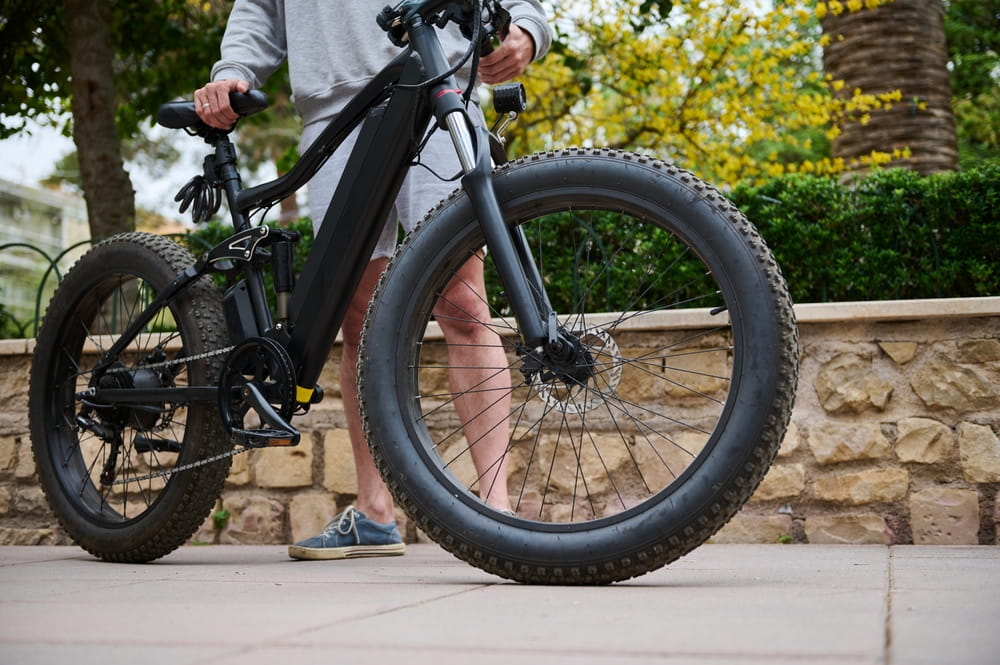
The liability question in any e-bike accident starts with how Florida law defines and classifies e-bikes.
E-Bikes Are Not Motor Vehicles
Under Florida Statute § 316.003, an electric bicycle is defined as a bicycle or tricycle equipped with fully operable pedals, a seat or saddle, and an electric motor of less than 750 watts. The statute specifically excludes e-bikes from the definition of motor vehicle.
Florida Statute § 316.20655 reinforces this classification by stating that e-bike operators are not subject to laws relating to financial responsibility, driver's licenses, vehicle registration, or title certificates. E-bike riders may ride anywhere bicycles are allowed, including streets, highways, shoulders, bicycle lanes, and multiuse paths.
Why the Classification Matters for Liability
This classification has direct consequences when a car hits an e-bike rider. Because e-bikes are treated like bicycles, the driver of a motor vehicle owes the e-bike rider the same duty of care owed to any cyclist or pedestrian on the road. That duty includes yielding the right of way at crossings, maintaining a safe passing distance, and watching for riders in bicycle lanes and at intersections.
At the same time, e-bike riders must follow the same traffic laws that apply to bicycles. Running a red light, riding against the flow of traffic, or failing to use proper lighting at night may reduce or eliminate the rider's ability to recover compensation if those violations contributed to the crash.
How Is Fault Determined When a Car Hits an E-Bike in Florida?
Determining who is liable when a car hits an e-bike in Florida requires a close look at what each party did or failed to do before the collision. Florida uses a negligence standard, which means the injured rider must show that the driver breached a duty of care and that the breach directly caused the rider's injuries.
Common Driver Behaviors That Lead to E-Bike Accidents
Several types of driver negligence show up repeatedly in e-bike collision cases along roads like Sample Road, University Drive, and the Sawgrass Expressway corridor in Coral Springs:
- Failure to check for riders before turning: Failing to check for e-bike riders before making a right turn at an intersection
- Dooring: Opening a car door into the path of an approaching e-bike rider
- Unsafe passing: Passing an e-bike too closely without maintaining a safe distance
- Running traffic controls: Running a red light or stop sign at an intersection where an e-bike rider has the right of way
- Distracted driving: Texting or adjusting a GPS while an e-bike rider is sharing the lane or riding in a bicycle lane
Any of these behaviors may establish the driver's negligence and form the basis of a liability claim. The strength of the claim depends on the evidence available, including police reports, witness statements, traffic camera footage, and the e-bike rider's own account of the accident.
How Comparative Negligence Reduces Recovery
Florida's modified comparative negligence system under Florida Statute § 768.81 allows the insurance company to argue that the e-bike rider shares fault for the collision. If a jury assigns 20% of the fault to the rider, the rider's compensation is reduced by 20%. If the rider's fault exceeds 50%, the rider recovers nothing.
Insurance adjusters in e-bike cases frequently argue that the rider was operating outside of a designated bicycle lane, riding without lights after dark, or traveling at a speed that exceeded what other road users expected from a bicycle. Moreover, e-bike riders under the age of 16 are required by law to wear a bicycle helmet. If a rider under 16 sustains a head injury without a helmet, the defense is likely to argue comparative fault as an affirmative defense.
Because e-bikes travel faster than traditional bicycles, this speed argument comes up often and may influence how fault is divided. The comparative negligence defense is the single most common tool insurers use to reduce what they pay on e-bike accident claims in Florida.
What Insurance Is Available for E-Bike Riders in Florida?
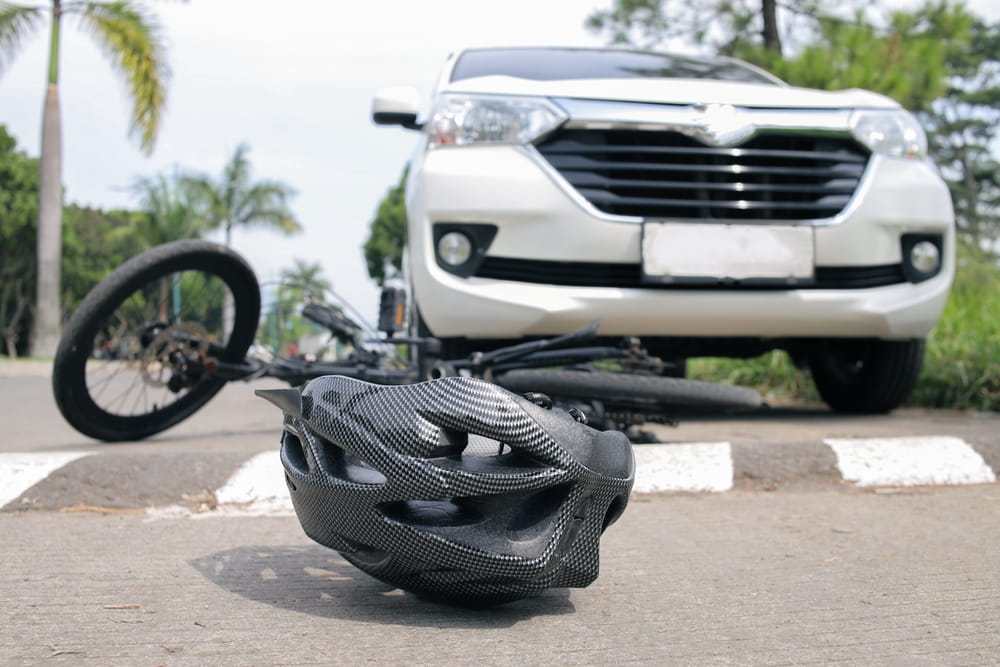
Unlike motor vehicle owners, e-bike riders are not required to carry their own liability insurance, and most do not. That creates a situation where the rider's ability to recover compensation depends almost entirely on liability and whether the adverse driver carries bodily injury insurance.
Where Coverage May Come From
An e-bike accident injury claim in Florida may draw from several different insurance sources depending on the circumstances:
- At-fault driver's bodily injury liability policy, if the driver carries one (Florida does not require drivers to carry bodily injury coverage)
- The e-bike rider's own auto insurance PIP coverage, if the rider owns a vehicle and carries PIP on that policy
- A household member's auto insurance PIP coverage, which may extend to the e-bike rider if the rider does not own a motor vehicle
- The e-bike rider's own uninsured or underinsured motorist (UM/UIM) coverage, if the at-fault driver has no bodily injury policy or insufficient limits
- The at-fault driver's PIP coverage, which may apply to the e-bike rider in certain situations when no other PIP source is available
Sorting through these coverage layers is where e-bike accident claims get complicated. A rider who does not carry auto insurance and gets hit by a driver who also lacks bodily injury coverage faces a serious gap in available recovery. An e-bike accident attorney in Coral Springs who understands this coverage structure helps identify every available policy and maximize the total recovery.
PIP and the 14-Day Rule
If PIP coverage applies to your e-bike accident claim, you must seek medical treatment within 14 days of the accident to access the full $10,000 in PIP benefits. PIP covers 80% of medical expenses and 60% of lost wages, regardless of who caused the accident. Missing that 14-day window may cost you access to this coverage entirely.
What Compensation Can Be Recovered in an E-Bike Accident Claim?
The damages in an e-bike accident claim in Florida follow the same categories as other personal injury claims, but the severity of injuries in an e-bike accident tends to be higher because e-bike riders have no physical protection from a collision with a motor vehicle.
Categories of Recoverable Losses
An e-bike injury claim may include compensation for the following:
- Medical expenses: Emergency care, hospitalization, surgery, physical therapy, and ongoing treatment related to the accident
- Lost income: Lost wages during recovery and reduced earning capacity if the injury limits your ability to work long term
- Pain and suffering: Compensation for physical discomfort and emotional distress caused by the injury, if you sustain a permanent injury
- Property damage: Replacement or repair costs for the e-bike and any personal property damaged in the crash
The value of any individual claim depends on liability, the severity of the injuries, the quality of the medical documentation, and the available insurance coverage. Experienced personal injury attorneys can evaluate these factors with you and work to obtain the best financial outcome possible.
How Cindy Goldstein Law Handles E-Bike Accident Injury Claims in Coral Springs
When an e-bike rider contacts Cindy Goldstein Law after being hit by a car, the firm's managing attorney, Cindy Goldstein, is available to speak with you directly during a free consultation. That conversation covers how Florida law applies to your specific situation, which insurance policies may provide coverage, and what the claims process looks like from start to finish.
Why E-Bike Cases Need a Different Approach
E-bike accident injury claims in Coral Springs and across South Florida involve coverage questions that do not come up in a standard car accident case. The firm investigates every available source of recovery, including the at-fault driver's policy, your own auto insurance, household member policies, and any applicable commercial or umbrella coverage.
Navigating PIP coverage can be particularly challenging. Attorney Cindy Goldstein practiced in the area of PIP litigation for more than two decades and is well versed in PIP law. Cindy Goldstein Law also assists with property damage, medical provider coordination, and communication with the insurance company so you can focus on healing rather than paperwork.
Multilingual Support
Aside from English, the firm's staff speaks Spanish, Portuguese, and Haitian Creole. Translated forms, bilingual email communication, and in-person translation during meetings make the process accessible to the diverse communities across Coral Springs and the Parkland area.
FAQs for Car Hits E-Bike Liability in Florida
Who is at fault when a car hits an e-bike rider in Florida?
Fault depends on the specific facts of the collision. If the driver failed to yield, was distracted, or violated a traffic law, the driver may bear most or all of the liability. Florida's comparative negligence system allows fault to be split between parties, so the e-bike rider's actions also factor into the analysis.
Do e-bike riders need insurance in Florida?
No. Under Florida Statute § 316.20655, e-bike riders are not subject to financial responsibility laws, vehicle registration requirements, or licensing rules. However, Florida's PIP statute (F.S. 627.736) requires that PIP insurance afford coverage to anyone, including bicyclists and pedestrians, who are struck by a motor vehicle, as long as they are not an occupant of a self-propelled vehicle — so e-bike riders are afforded PIP. Riders who carry their own auto insurance with UM/UIM coverage have significantly more options if they are injured in a crash.
What happens if the driver who hit me does not have bodily injury insurance?
Florida does not require drivers to carry bodily injury liability coverage. If the at-fault driver lacks this coverage, we investigate whether the vehicle owner is different from the driver and has insurance, and whether the driver was acting within the scope of employment at the time of the impact, which could make an employer liable. If no other source of bodily injury insurance exists, your own uninsured motorist (UM) policy becomes the primary source for compensation beyond PIP. Without UM coverage, your options for financial recovery may be limited.
How long do I have to file a lawsuit after an e-bike accident in Florida?
Under Florida Statute § 95.11, as amended by HB 837, you have two years from the date of the accident to file a negligence lawsuit. This deadline does not pause for insurance negotiations or ongoing medical treatment.
Is the driver always liable when a car hits an e-bike?
Not always. If the e-bike rider ran a red light, rode against traffic, or otherwise violated a traffic law that contributed to the collision, the rider may share or bear sole fault. Under Florida's modified comparative negligence system, a rider found 51% at fault or more loses the right to recover any compensation.
Take Action on Your E-Bike Accident Claim in Florida
Rising e-bike injuries across South Florida highlight the serious risks riders face, sharing the road with vehicles that outweigh them by thousands of pounds. When a driver's negligence causes a collision, the legal and insurance questions that follow are more layered than most riders realize, and the window to act is shorter than it used to be.
Cindy Goldstein Law has spent more than two decades handling personal injury claims for injured clients in Coral Springs and the surrounding community, and the firm understands the coverage gaps and liability questions that make e-bike cases different from standard car accident claims.
If a car hit you while you were riding your e-bike, reach out for a free consultation today. Do not let the insurance company define what your claim is worth before you have someone on your side. Contact us at (954) 346-5420.