Quick Answer: What should you do if you're hit by a wrong-way driver in Florida?
If a wrong-way driver hits you in Florida, call 911, flag down any potential witnesses, get immediate medical care, and call our office for a free consultation.
Wrong-way crashes on Florida highways can lead to catastrophic injuries because they often involve head-on collisions at high combined speeds.
If you are hit by a wrong-way driver in Florida, you may have claims against the driver, the driver's insurer, and, in some limited cases, a government agency responsible for road design, signage, or maintenance.
Liability depends on why the driver entered traffic the wrong way and whether road conditions or infrastructure contributed. Florida law requires drivers to stay on the right side of the roadway under Florida Statute § 316.081.
A violation may support a negligence claim, while the circumstances of the wrong-way entry may determine whether other parties share responsibility.
Key Takeaways About Wrong-Way Driver Accidents in Florida
- Wrong-way crashes frequently involve head-on collisions at combined highway speeds, producing catastrophic injuries including traumatic brain injuries, spinal cord damage, and fatalities.
- Alcohol impairment is one of the most common causes of wrong-way driving on Florida highways. A DUI-related wrong-way crash may support both a civil claim and punitive damages.
- The Florida Department of Transportation (FDOT) or another road authority may be liable if missing or blocked signs, poor maintenance, or another roadway defect contributed to the wrong-way entry. Government claims are limited by Florida's sovereign immunity law, § 768.28, which imposes special notice rules, defenses, and damages caps. Dealing with sovereign immunity claims in Florida is usually difficult.
- Florida's two-year statute of limitations applies to most wrong-way crash injury claims from crashes on or after March 24, 2023.
- Claims against government entities require a separate pre-suit notice process under Florida Statute § 768.28, and missing those procedural requirements may affect or bar the government claim.
What Causes Wrong-Way Driving Crashes in Florida?

Wrong-way crashes in Florida are most commonly caused by impaired driving, highway ramp confusion, driver fatigue, and medical emergencies behind the wheel. The cause of the wrong-way entry shapes both the liability picture and the damages available.
Each cause carries different legal implications for a Florida injury claim:
- Alcohol or drug impairment, which is one of the leading causes of wrong-way highway entries and may support punitive damages in a civil claim.
- Ramp confusion, particularly at interchanges with nonstandard geometry or limited signage, where older drivers or unfamiliar motorists enter an exit ramp traveling the wrong direction.
- Driver fatigue or drowsy driving, which may impair judgment enough to cause a driver to miss signage and enter traffic against the flow.
- Medical emergencies such as seizures, strokes, or diabetic episodes, which may reduce or eliminate the driver's liability depending on the circumstances.
- Intentional conduct, which is rare but may arise in cases involving mental health crises or suicidal intent.
The cause also determines whether any party beyond the driver shares fault. A ramp-confusion crash on a poorly signed interchange raises questions about road design that a DUI-related crash on a well-marked highway does not.
Why Are Wrong-Way Crash Injuries So Severe?
Wrong-way crash injuries are so severe because head-on collisions combine the speed of both vehicles at impact.
Two cars traveling at 60 miles per hour meet at an effective closing speed of 120 miles per hour, which produces impact forces far beyond what vehicle safety systems are designed to absorb.
This table compares common injury patterns in head-on wrong-way crashes to those in other collision types:
| Injury Category | Wrong-Way Head-On Crash | Rear-End or Sideswipe Crash |
|---|---|---|
| Traumatic brain injury (TBI) | Common, often moderate to severe due to combined-speed impact forces | Less common, can be concussion range |
| Spinal cord injury | High risk, including paralysis, due to frontal compression forces | Lower risk of paralysis |
| Internal organ damage | Frequent, from steering column, seatbelt, and dashboard compression | Less frequent at lower impact speeds |
| Lower extremity fractures | Common, from footwell intrusion in frontal crashes | Rare in lower impact cases |
| Fatality risk | Significantly elevated at highway speeds | Lower at equivalent single-vehicle speeds |
Many wrong-way crash survivors face months or years of treatment for injuries that meet Florida's permanent injury threshold under § 627.737, opening the door to pain and suffering damages beyond PIP.
Where Do Wrong-Way Crashes Happen in Broward County?
Wrong-way crashes in Broward County are especially dangerous when they happen on interstate ramps, divided highways, and one-way road segments because drivers may have little time to react.
In the Coral Springs and greater Broward area, major corridors such as I-95, I-595, Sawgrass Expressway, and US-441 can present serious wrong-way crash risks when a driver enters traffic against the flow.
Interstate Ramp Entries
I-95 and I-595 include busy ramp systems throughout Broward County, where a wrong-way entry can become dangerous within seconds.
A driver who enters an I-95 exit ramp heading the wrong direction, or who turns onto I-595 against traffic near a major interchange, may travel at highway speed toward oncoming vehicles with very little time for either driver to react. Moreover, Broward County is seeing more wrong way crashes on the Sawgrass Expressway.
Divided Highways and Surface Streets
US-441, also known as State Road 7, runs through communities near Coral Springs, including Boca Raton, Margate and Coconut Creek. Because parts of the roadway are divided and include median openings, a wrong turn can place a driver in lanes meant for oncoming traffic.
A fatigued, impaired, or confused driver who turns into the wrong side of a divided highway can create a head-on collision risk even outside an interstate setting.
These crashes may happen at lower speeds than freeway wrong-way crashes, but they can still cause serious injuries and may involve nearby witnesses, businesses, or traffic cameras.
Steps to Take After a Wrong-Way Crash in Florida
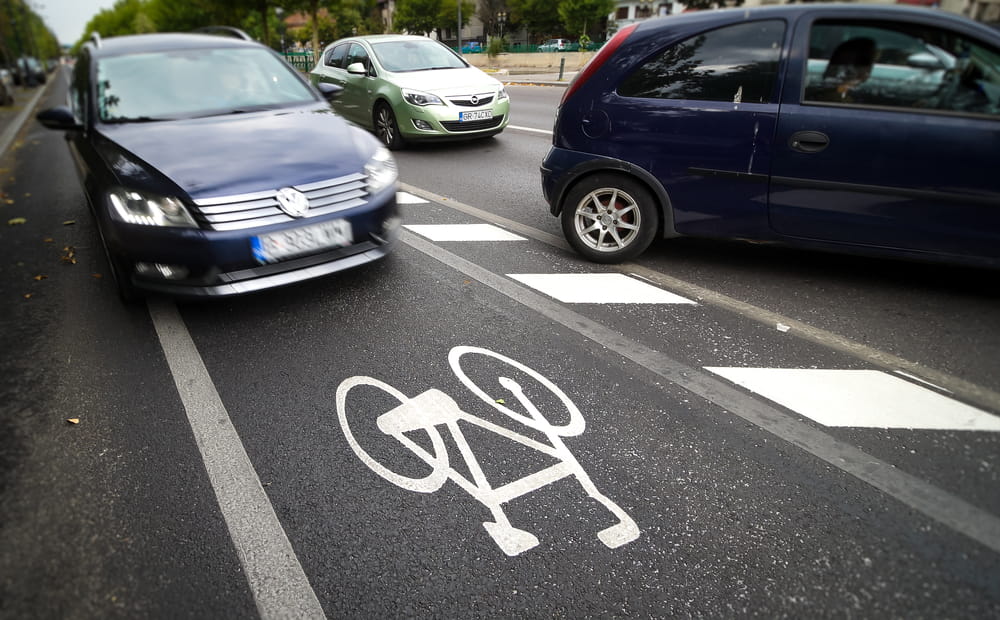
The most important steps after a wrong-way crash in Florida are getting immediate medical care, flagging down witnesses, requesting the crash report, and identifying whether any government signage issues contributed to the wrong-way entry.
Crash reports in wrong-way cases often contain detail about the point of entry that later becomes central to the liability analysis.
Once you are home and stabilized, several practical actions protect the claim:
- Get medical treatment within 14 days to preserve Personal Injury Protection (PIP) eligibility under Florida law. Immediate medical treatment is preferred.
- Request the Florida Traffic Crash Report from the responding law enforcement agency. Wrong-way crash reports typically document the point of wrong-way entry, impairment testing, and witness observations.
- Photograph the crash site, including any signage, pavement markings, and ramp geometry near the point where the wrong-way driver entered traffic.
- Do not give a recorded statement to any insurer until you have spoken with an attorney. Wrong-way cases often involve multiple insurance carriers and potential government defendants.
- Preserve any dashcam footage from your vehicle or from witnesses who may have recorded the seconds before impact.
Wrong-way crash cases often involve more defendants and more complex liability than a standard car accident claim. The crash report and scene documentation lay the groundwork for identifying every responsible party.
Why Do Wrong-Way Crash Claims Involve a Different Legal Process?
Wrong-way crash claims can be more complex than regular car accident claims because more than one party may be responsible. The driver may be liable, but a government agency may also be involved if poor signs, road markings, or maintenance helped cause the crash.
A claim against the wrong-way driver usually follows the standard injury claim process. A claim against FDOT, a county agency, or another road authority follows different rules.
Florida law requires special written notice before suing a government agency. These claims also have damages caps and extra defenses under § 768.28. Government agencies are almost always difficult to negotiate and compensatory settlement with.
Missing a government notice deadline may hurt or bar that part of the case, even if the claim against the driver is still on time.
The Government Claim Track
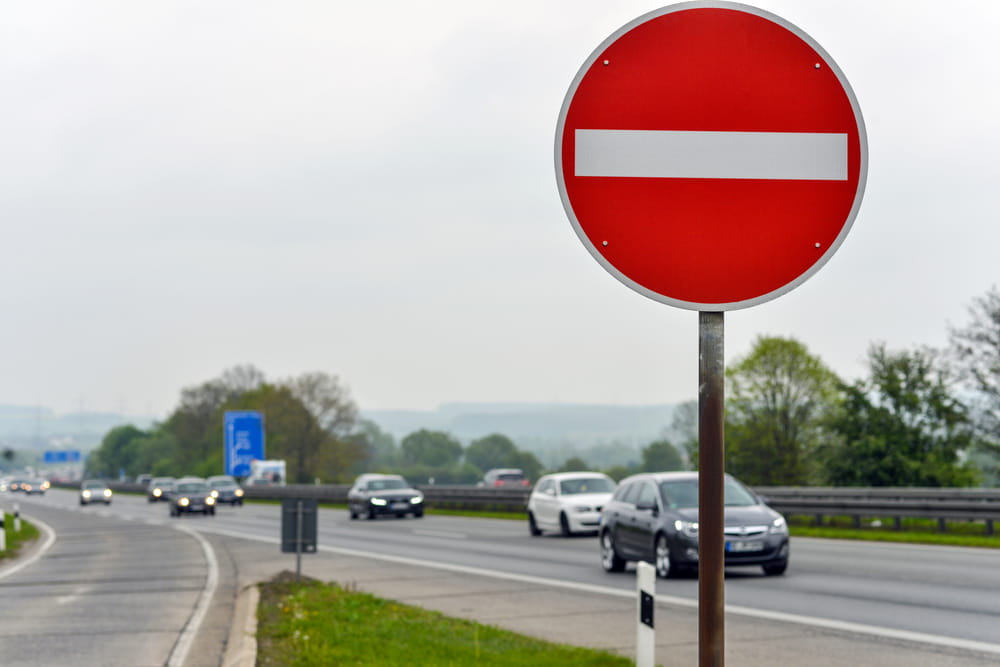
FDOT or a local road authority may be liable if a fixable road problem helped cause the wrong-way entry. Examples may include missing signs, blocked signs, faded road markings, poor maintenance, or other roadway hazards.
Road design claims are harder because government agencies have extra legal protection for many planning and design choices.
Florida generally limits government injury claims to $200,000 per person and $300,000 per incident unless a claims bill or another exception applies. Risk Management offers are almost always low ball paltry offers, hoping you will walk away from the case.
The Private Claim Track and Coverage Gaps
The wrong-way driver's auto insurance is often the first source of recovery, but it may not be enough to cover serious injuries.
Other sources may also apply. If the driver was drunk, punitive damages or a dram shop claim may be considered.
If the driver was working, an employer or commercial insurance policy may be responsible. The injured person's own uninsured or underinsured motorist coverage may also help.
Cindy Goldstein Law reviews these coverage issues during the free initial case evaluation, which is available in English, Spanish, Portuguese, and Haitian Creole. To discuss a wrong-way crash in Florida, call (954) 346-5420 or 1-844-4LADYLAW.
Ask Cindy Goldstein Law
Can I sue FDOT if bad signage caused a wrong-way crash?
You may have a claim against FDOT or a local government agency if poor maintenance, missing signs, or another fixable roadway problem helped cause the wrong-way entry.
Claims based on road design are harder. Government agencies have extra legal protection for many planning and design choices. An attorney can review whether the roadway problem is the type that can support a claim.
What if the wrong-way driver died in the crash?
You may still pursue a claim against the deceased driver's estate, their auto insurance policy, and any other liable party.
Wrongful death and survivor claims in Florida follow specific procedural rules, and the personal representative of the deceased driver's estate is typically the named defendant.
Does it cost anything to talk to an attorney about a wrong-way crash?
No. We handle wrong-way crash cases on contingency, and the initial consultation is free.
There is no attorney fee unless we recover money on the case. Costs and expenses are explained before you sign anything.
FAQs for What to Do If You're Hit by a Wrong-Way Driver in Florida
Can I get punitive damages if the wrong-way driver was drunk?
Potentially. A DUI-related wrong-way crash may support a punitive damages claim if the evidence meets Florida's standard for intentional misconduct or gross negligence under § 768.72.
Punitive damages require a separate procedural showing and motion before the court, before they may be added to the case. Most auto insurance policies do not cover punitive damages, so collection often depends on the driver's personal assets.
What is the deadline to file a wrong-way crash claim in Florida?
Florida's statute of limitations for negligence-based injury claims from crashes on or after March 24, 2023, is two years from the date of the crash.
Claims against government entities have separate pre-suit notice requirements under § 768.28, and missing those procedural steps may affect or bar the government claim.
What if I lost a family member in a wrong-way crash?
Florida's Wrongful Death Act governs claims brought by surviving family members. The personal representative of the deceased person's estate files the lawsuit on behalf of the survivors.
Recoverable damages may include lost support and services, loss of companionship, and funeral expenses.
Are wrong-way crashes more common at night?
Yes, wrong-way crashes occur disproportionately during nighttime and early morning hours, often in connection with alcohol impairment.
Reduced visibility and lower traffic volumes also mean fewer opportunities for other drivers to alert or avoid the wrong-way vehicle.
Can a bar be held liable if they served the wrong-way driver?
Possibly. Florida's dram shop law under § 768.125 limits vendor liability to two narrow exceptions: serving a person under 21, or knowingly serving a person habitually addicted to alcohol.
Outside those exceptions, bars and restaurants in Florida are generally protected from civil liability for serving intoxicated adult patrons.
Protect Your Wrong-Way Crash Claim in Florida Now
Wrong-way crashes produce injuries and legal issues that go well beyond a standard car accident file. Head-on collision forces at highway speed create medical situations that may require years of treatment.
Identifying every source of recovery, from the driver's policy to a government signage claim to a potential dram shop case, often determines whether the outcome matches the severity of the harm.
Injured in a wrong-way crash on I-95, I-595, US-441, Sawgrass Expressway, or anywhere in Broward County or Florida? Call Cindy Goldstein at (954) 346-5420 or 1-844-4LADYLAW for a case evaluation. Visit us at 10100 W. Sample Road, Suite 200, Coral Springs, FL 33065.
The information on this page is for general informational purposes only and does not constitute legal advice. No attorney-client relationship is formed by reading this content. Prior results do not guarantee a similar outcome.