What Compensation Can Drunk Driving Accident Victims in Coral Springs Recover Under Florida Law?
Drunk driving accident victims in Coral Springs may recover compensation through three separate tracks: a civil personal injury claim against the impaired driver, restitution ordered as part of the criminal DUI prosecution, and, in narrow circumstances, a claim against the bar or vendor that served the driver. Florida law treats driving under the influence (DUI) as both a criminal offense under Florida Statute § 316.193 and a basis for civil negligence liability, and the two tracks run in parallel.
After a drunk driving accident in Coral Springs, many victims assume the criminal DUI case is the only path forward.
In reality, Florida law may allow injured victims to pursue compensation through multiple avenues, including a civil personal injury claim against the impaired driver and, in limited situations, claims involving third parties that contributed to the crash.
Understanding how these legal and insurance issues overlap can make a significant difference in the recovery process.
Key Takeaways About Drunk Driving Accident Claims in South Florida
- A criminal DUI conviction does not automatically result in compensation to the victim. Restitution is one possible mechanism, but full compensation often requires pursuing a separate civil claim.
- Florida's dram shop law, under Florida Statute § 768.125, is one of the most restrictive in the country. Vendors are generally only liable when they knowingly serve a minor or someone known to be habitually addicted to alcohol.
- Florida is a no-fault insurance state for the purposes of obtaining medical care. Personal Injury Protection (PIP) benefits apply. You may also pursue personal injury compensation from the at-fault driver, possible owner of the vehicle that hit you if different, and the driver's employer if the driver was in the course and scope of work at the time of the impact.
- Punitive damages may be available with court approval in Florida DUI civil cases, which distinguishes them from typical negligence cases and may increase the value of the claim.
- The deadline to file a lawsuit for negligence arising from a Florida crash on or after March 24, 2023, is two years from the date of the crash.
How Does a Civil Drunk Driving Claim Work in Florida?
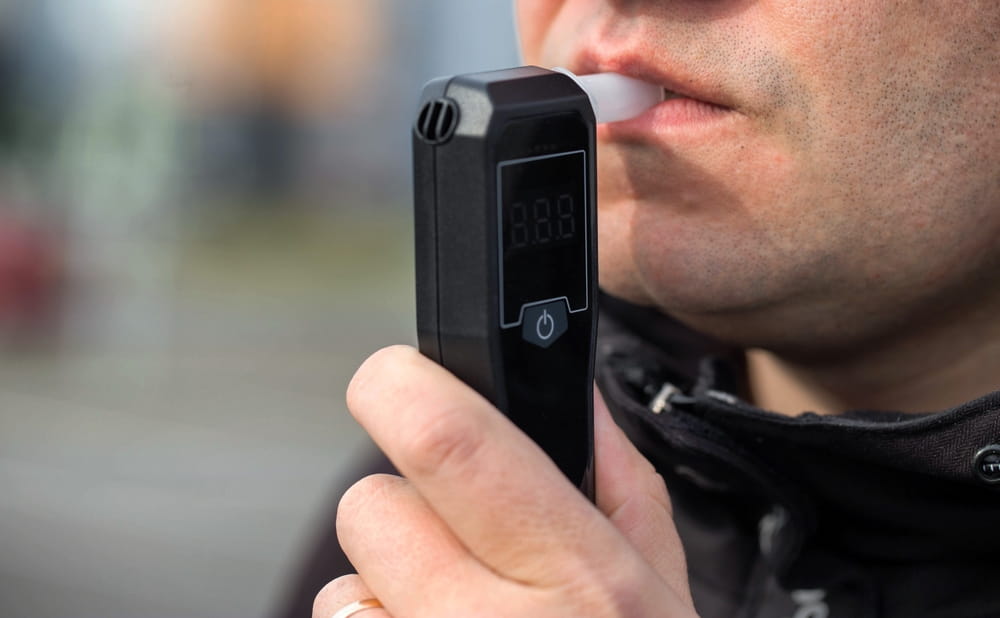
A civil drunk driving claim in Florida is a negligence lawsuit brought by the injured victim against the impaired driver.
It runs independently from any criminal prosecution and aims to recover money for medical bills, lost wages, pain and suffering, and other damages caused by the crash.
The civil claim does not require a criminal conviction. A driver who is arrested but not convicted, or whose criminal case is delayed for months, may still be sued civilly during that time.
The two cases use different standards of proof and serve different purposes.
Why the Standards of Proof Differ
The criminal case asks whether the driver violated Florida Statute § 316.193 beyond a reasonable doubt. The civil case asks whether the driver acted negligently by a preponderance of the evidence, which is a lower threshold.
That difference matters in cases where prosecutors decline to file charges, accept a reduced plea, or lose at trial.
A civil claim may still succeed in those circumstances because the bar to prove fault for money damages is lower than the bar to criminally convict.
What the DUI Evidence Adds to the Civil Case
When a DUI arrest happens, the criminal investigation produces evidence that often benefits the civil claim:
- Breathalyzer or blood alcohol concentration (BAC) test results documenting impairment.
- Field sobriety test observations recorded by the arresting officer.
- Officer narratives and body camera footage from the scene.
- Witness statements collected as part of the criminal investigation.
- Toxicology reports when drugs other than alcohol are suspected.
This material becomes available to the civil case through discovery and public records requests once the criminal proceeding is far enough along, although timing varies depending on the status of the prosecution.
When Is a Bar or Restaurant Liable for a Drunk Driving Crash in Florida?

A bar or restaurant in Florida is liable for a drunk driving crash in very limited circumstances, under Florida Statute § 768.125.
Florida's dram shop law protects most alcohol vendors who serve adults of legal drinking age, even when those patrons leave visibly intoxicated.
There are two main exceptions where vendor liability may apply.
The Two Exceptions to Vendor Immunity
Florida law allows a civil claim against a vendor in the following situations:
- The vendor willingly and unlawfully sold or furnished alcohol to a person under 21 years old.
- The vendor knowingly served a person known to be habitually addicted to alcohol.
The first exception means the vendor knew or should have known the underage drinker was under the age of 21. If the person who checked the ID did not do so prudently, or ignored red flags, there could be liability.
The second exception is the harder one to prove. It requires evidence that the vendor's staff actually knew the patron had a long-standing alcohol problem, not just that the patron appeared drunk at the time of service.
Proof often comes from prior incident reports, repeated visits documented through receipts or surveillance footage, and witness testimony from staff or other patrons.
These cases are difficult but not impossible. Where the evidence is there, they may add a significant defendant with much higher liability coverage than the individual driver carries.
What About Social Hosts?
Florida law generally does not impose liability on private hosts who serve alcohol to adult guests at a party or gathering. The narrow exception involves serving alcohol to a minor.
A homeowner who hosts a party where alcohol is served to underage drinkers may face civil liability if one of those minors causes a crash, in addition to potential criminal exposure.
What Damages May South Florida Victims Recover?

South Florida victims of a drunk driving crash may recover both compensatory damages, which cover financial and personal losses, and punitive damages with court approval, which punish the driver for the decision to drive impaired.
The potential for punitive damages is one of the things that distinguishes DUI cases from ordinary negligence claims in Florida.
Compensatory Damages
These are intended to compensate the claimant for the actual cost and harms caused by the crash:
- Medical expenses, including hospital care, surgery, rehabilitation, and future medical needs.
- Lost wages during recovery and loss of earning capacity for permanent impairments.
- Property damage to the vehicle and any personal items damaged in the crash.
- Pain and suffering, mental anguish, and loss of enjoyment of life, when injuries meet Florida's permanent injury threshold.
- Wrongful death damages, including loss of support and companionship, when the crash results in a fatality.
Punitive Damages
Punitive damages are intended to punish the wrongdoer. Florida law allows punitive damages in cases involving intentional misconduct or gross negligence with court approval. Drunk driving frequently meets that threshold, which means the jury may award an additional amount on top of compensatory damages specifically to punish the driver.
In Florida, you cannot simply seek punitive damages in your lawsuit. Pursuant to F.S. 768.72, you must first seek leave of court where a judge must review your evidence or proffer to ensure a reasonable showing of deliberate misconduct or gross negligence.
The availability of punitive damages often changes how insurance carriers value DUI claims and may also affect the criminal restitution conversation.
How Does Criminal Restitution Fit Into the Civil Case?
Criminal restitution is money the criminal court orders a convicted DUI driver to pay to the victim as part of the sentence. It is separate from a civil personal injury lawsuit, but the two may interact.
Restitution can help pay for clear financial losses like medical bills and car repairs. But it usually does not cover pain and suffering, future lost income, or other personal losses.
That is why many victims still need to file a separate civil lawsuit, even if restitution is ordered.
How Restitution Affects the Civil Case
A few things worth knowing about how the two tracks interact:
- Restitution orders may be enforced as judgments and collected through wage garnishment or asset seizure under Florida law.
- Money received through restitution typically reduces the same losses claimed in the civil case to prevent double recovery.
- The criminal court's findings about intoxication and fault may carry over into the civil case as evidence, depending on procedural posture.
- Victims have the right to be heard at sentencing and to request restitution as part of the prosecution, even when a civil case is also pending.
The interaction between the two tracks is one reason injured victims often benefit from involving a civil attorney early, even before the criminal case has resolved.
What Insurance May Cover a Coral Springs Drunk Driving Crash?
Insurance coverage in a Coral Springs drunk driving crash typically comes from several possible policies. Florida's no-fault system means your own PIP coverage applies regardless of the defendant's culpability, but DUI cases often involve serious injuries that require pursuing additional sources.
Coverage Sources to Investigate
A typical Florida DUI crash may involve any of the following coverage sources, often layered together to cover the full extent of the victim's losses:
| Coverage Source | What It May Pay | When It Applies |
|---|---|---|
| Personal Injury Protection (PIP) | 80% of medical expenses, 60% of lost wages, up to $10,000 | Immediately, regardless of fault, from the victim's own auto policy, as long as you treat within 14 days of the crash |
| At-fault driver's bodily injury (BI) liability | Medical bills beyond PIP, lost wages, pain and suffering | When the impaired driver carries BI coverage, which is optional in Florida |
| Uninsured (UM) or underinsured motorist coverage | Damages above the at-fault driver's available limits, up to your UM limit | When the drunk driver carries no BI coverage or has limits too low to cover the loss, or you are injured in a hit and run crash |
| Umbrella policy | Damages above the underlying auto liability limits, up to umbrella limits | When either driver carries a personal umbrella policy on top of auto coverage |
| Commercial auto coverage | Same categories as personal BI, often with significantly higher limits | When the impaired driver was operating a company vehicle or rideshare vehicle on the job |
Finding all possible insurance coverage can make a big difference in how much compensation you may recover. Bodily injury insurance is not required in Florida. Many South Florida drivers carry only the state minimum, which means UM coverage on the victim's own policy is frequently the difference-maker.
Ask Cindy Goldstein Law
Do I need a lawyer if the drunk driver was convicted?
A criminal conviction strengthens the civil case but does not handle it. Conviction confirms the driver is criminally responsible but does not order the insurance company to pay you, calculate your damages, or pursue potential punitive damages on your behalf.
A civil attorney handles the financial recovery side, which is separate from anything the criminal court does.
Can I sue a drunk driver who is also being prosecuted?
Yes. In a criminal matter, the State is pursuing criminal penalties including possible incarceration against the defendant. In a civil matter, you are the plaintiff seeking monetary damages against the defendant. The civil lawsuit and the criminal prosecution run in parallel under Florida law. Waiting for the criminal case to finish is not required and often hurts the civil claim by allowing evidence to age and witnesses to become harder to reach.
Filing early protects the civil case regardless of what happens in criminal court.
How much is a Florida drunk driving accident case worth?
Assuming the drunk driver is deemed completely at fault, case value depends on the severity of injuries, the available insurance coverage, the driver's personal assets, whether punitive damages apply, and whether any third-party defendants are in the case.
There is no average that meaningfully applies across cases. A free case review with an attorney is the realistic way to get an informed estimate based on the specific facts.
FAQs for Drunk Driving Accidents in Coral Springs
Can I sue the drunk driver if they go to jail for DUI?
Yes. The criminal case and the civil case are separate. A jail sentence does not prevent the victim from pursuing a personal injury lawsuit, and a civil judgment may be enforceable against the driver's assets, future income, and insurance coverage even during incarceration.
Does Florida have stricter penalties for DUI accidents that cause injury?
Yes. Florida treats DUI with serious bodily injury as a third-degree felony and DUI manslaughter as a second-degree felony under § 316.193, with significantly harsher penalties than a standard DUI. These enhanced charges often provide stronger leverage in the civil case as well.
Can I file a civil claim before the criminal case is finished?
Yes. Florida's two-year statute of limitations for personal injury claims does not pause while the criminal case is pending. Filing the civil claim earlier may also help preserve evidence and witness testimony before memories fade or records become harder to obtain.
Does the drunk driver's insurance cover punitive damages?
Often not. Most Florida auto insurance policies exclude coverage for punitive damages, which means a punitive award may be collectable only from the driver's personal assets. That practical reality affects how civil cases against intoxicated drivers are valued and settled.
What if the drunk driver had no insurance at all?
Coverage may still be available through your own uninsured motorist (UM) policy. UM coverage steps in when the at-fault driver has no liability insurance, and Florida law treats an uninsured impaired driver the same as any other uninsured motorist for purposes of triggering UM benefits.
Talk to a Coral Springs Drunk Driving Accident Lawyer
Drunk driving accident cases may involve more than one path to compensation, including insurance claims, punitive damages, and possible third-party liability. Understanding all available options can help victims pursue a fuller recovery.
Cindy Goldstein Law works with South Florida drunk driving victims to identify every available track and pursue them together rather than one at a time. Cindy is involved personally from the first conversation, and the office handles communication in Spanish, Portuguese, and Haitian Creole.
To talk through what may be available in your case, call 1-844-4LADYLAW for a free consultation.